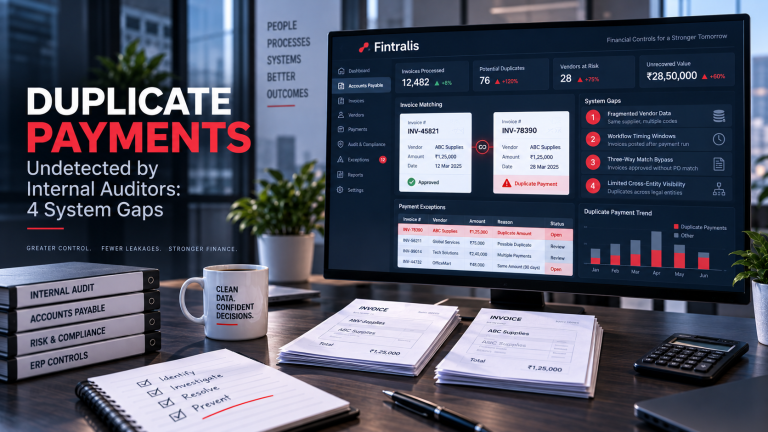

Procurement cards should simplify spend and speed up purchasing. Instead, weak reconciliation processes turn them into a source of leakage—duplicate charges, missed disputes, policy breaches that compound month after month.
Four mistakes show up repeatedly. Each one costs money. All four are fixable.
Reconciling Too Late in the Cycle
Most finance teams reconcile P-cards at month-end. By then, transaction details have faded from cardholders’ memories, receipts have gone missing, and dispute windows have closed.
Card-network rules typically require disputes to be filed within 60 days of the statement date. If you wait until the 25th of the month to reconcile transactions from the 1st, you have already burned through half that window. Add in approval delays, back-and-forth on missing documentation, and the time it takes your bank to actually submit the dispute, and you are often too late.
Reconcile within 48 to 72 hours of a transaction posting. Cardholders can still recall what they bought. You have time to request receipts and supporting documentation while the purchase is fresh. And you preserve your full dispute rights if something looks wrong.
This also flags policy violations early. If a cardholder puts a personal dinner on the card, you can address it immediately rather than discovering it in a month-end sweep alongside a dozen other transactions.
Failing to Catch Duplicate Charges
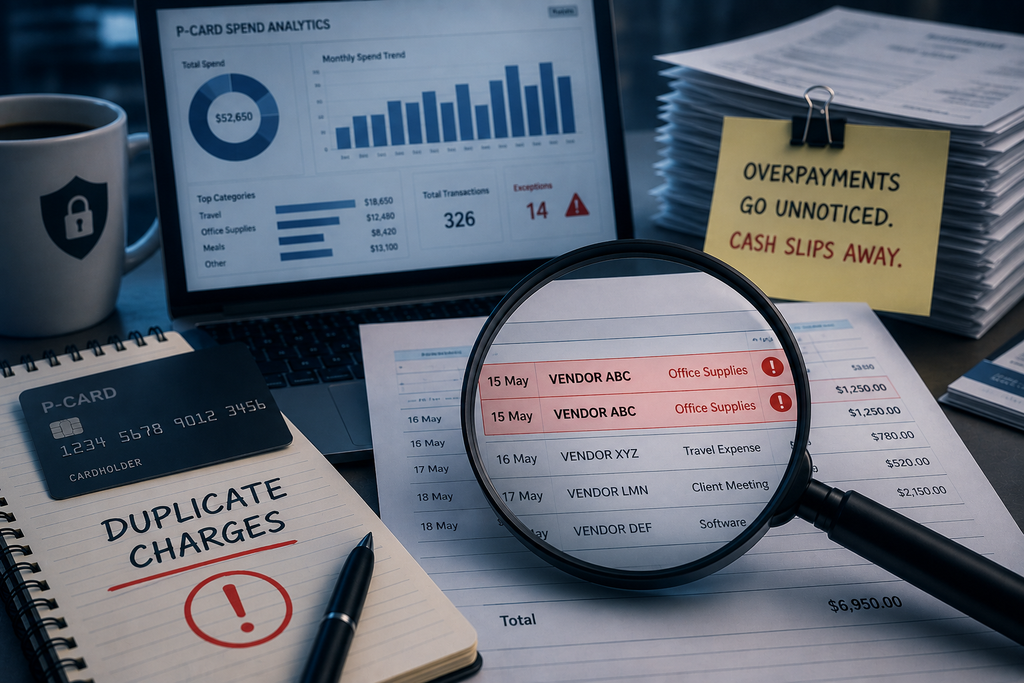
Duplicate charges appear more often than most finance teams expect. The most common patterns are vendor authorisation holds that post as separate charges, “free trial” subscriptions that convert to paid without clear notice, and transaction timeouts that cause a retry on the backend while the original charge also processes.
Hotels and car-rental companies are frequent sources of duplication. A pre-authorisation hold posts, then the final charge posts separately. Sometimes both charges hit your liability rather than one replacing the other. If you are not comparing transaction dates, amounts, and merchant details line by line, these sail through to payment.
Run a duplicate-detection pass on every statement before you close it. Look for transactions with identical or near-identical amounts from the same merchant within a few days of each other. Query transactions where a hold amount exactly matches a subsequent posted charge. Check subscription vendors monthly to ensure you are not paying twice for the same service—once on an old card that auto-updated and once on a new card you issued as a replacement.
How to Dispute Effectively
When you identify a duplicate, file the dispute immediately. Include the original transaction reference, the duplicate transaction reference, and a clear statement that you were charged twice for a single purchase. Attach the receipt or invoice showing the correct amount. Most card issuers allow online dispute submission; use it. Paper forms slow the process and increase the chance your dispute lands outside the deadline.
Allowing Unapproved Merchant Categories
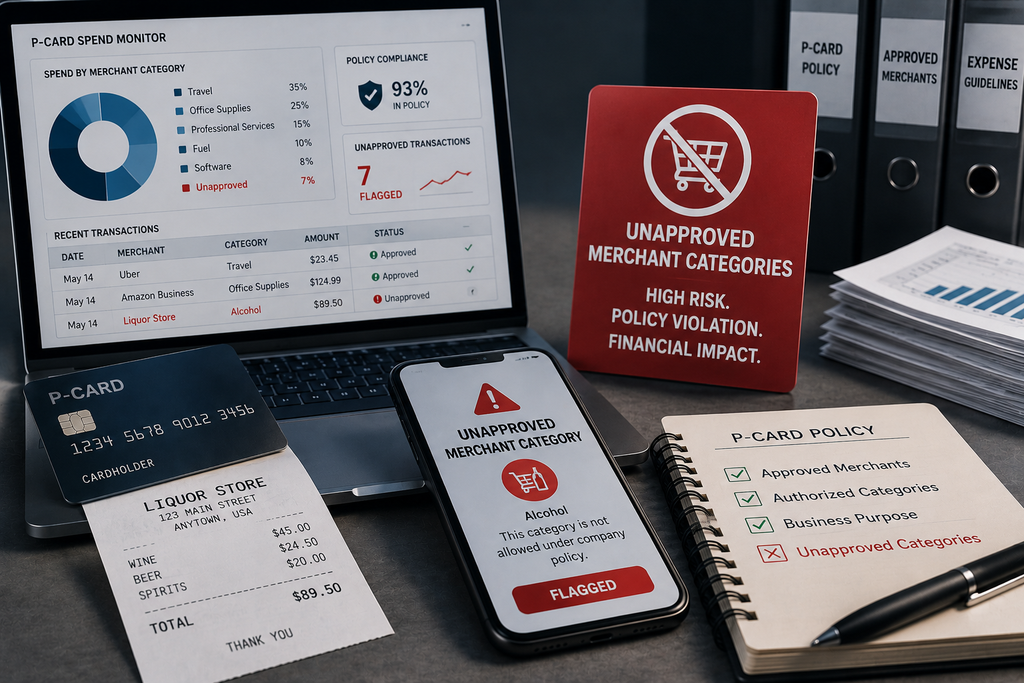
P-cards come with merchant category codes that let you block certain transaction types—cash advances, wire transfers, gambling, gift cards. If you have not configured those blocks at the card-program level, you are relying entirely on policy and cardholder honesty.
That does not work. Even well-meaning employees will use a P-card for convenience if the card accepts the transaction and no technical control stops them. By the time you spot a policy breach in reconciliation, the money is gone and you are left with an awkward conversation and a process failure that will repeat.
Block prohibited merchant categories at the network level. Your card issuer can configure this when the program is set up, and you can adjust it later. If your policy prohibits personal expenses, block grocery stores, petrol stations with convenience-store codes, and entertainment venues. If you do not want cardholders buying gift cards, block the merchant codes that cover prepaid and stored-value products.
You will still need a policy. But technical controls enforce it at the point of sale, which is far more effective than retrospective review.
Setting Limits Too High or Too Loosely
Every P-card should have a per-transaction limit and a monthly aggregate limit. Many finance teams set these limits once, at the card-product level, and never revisit them. The result is that a junior employee has the same spending authority as a department head, and no one notices until a large purchase or a string of transactions trips an internal flag.
Set limits by role and by business unit. A cardholder who routinely makes small-value purchases for office supplies does not need a high per-transaction limit. A procurement manager who orders IT equipment does. Match the card’s authorities to the employee’s actual job requirements, and document the decision so you can defend it if the cardholder complains or an auditor asks.
Review limits quarterly. When someone’s role changes, adjust their card limits or cancel the card and issue a new one with appropriate controls. Do not leave old authorities in place because it is administratively easier.
Why Aggregate Limits Matter
Per-transaction limits stop large one-off purchases. Aggregate monthly limits stop a pattern of smaller purchases that add up. An employee who makes 30 separate transactions of £150 each has spent £4,500, but if you only set a per-transaction limit of £500, nothing flags it as unusual. An aggregate monthly limit of £2,000 would have stopped the pattern halfway through.
Tightening the Process
If your P-card reconciliation is slow, error-prone, or reactive, the fixes are concrete. Shorten your reconciliation cycle to 48 hours. Run duplicate-detection logic on every statement. Block prohibited merchant categories at the network level. Set transaction and monthly limits by role, and review them quarterly.
These are not ambitious process-improvement goals. They are basic controls that should already be in place. If they are not, you are leaking spend every month.
Fintralis recovers money lost to duplicate payments, overlooked credits, and supplier-billing errors across your full accounts payable ledger—no upfront cost, no new software, no disruption to your team. If P-card leakage is a symptom of a broader AP-control problem, we will find the rest of it.
Frequently asked questions
What is the most common P-card reconciliation mistake finance teams make?
The most common mistake is reconciling too late in the cycle—waiting until month-end rather than matching transactions within 48 hours of the charge posting. Late reconciliation reduces your ability to dispute incorrect charges, which usually must be filed within 60 days, and allows policy violations to compound unnoticed across multiple billing periods.
How quickly should P-card transactions be reconciled after they post?
Reconcile P-card transactions within 48 to 72 hours of posting. This tight window allows cardholders to recall purchase details accurately, gives you time to dispute incorrect charges before deadlines pass, and flags policy breaches while corrective action is still relevant. Monthly reconciliation leaves too much room for error and makes dispute recovery nearly impossible.
What types of duplicate charges appear most often on P-card statements?
The most frequent duplicates are vendor authorisation holds that post as separate charges, subscriptions that bill after a “free trial” auto-converts, and repeat charges when a transaction times out but processes twice on the backend. Hotels and car-rental companies also commonly run a pre-authorisation hold and a final charge that both appear as posted debits rather than one replacing the other.
Should P-card limits be set at the employee level or the card level?
Set limits at both levels. Apply a per-transaction limit and a monthly aggregate limit to the card itself, then enforce stricter spending rules by employee role and business-unit budget in your policy layer. Card-level limits act as a hard stop; employee-level controls let you tailor authority to actual job requirements without issuing different physical card products.
How do I prove a P-card charge violated company policy after the fact?
Cross-reference the transaction merchant category code and description against your written policy, then pull the cardholder’s receipt or purchase justification if your process requires submission. If the charge falls into a prohibited category—personal expenses, cash advances, gift cards—and no pre-approval exception exists in writing, the policy breach is substantiated. Document it in the cardholder’s file and route to HR if repeated.
What is the best way to handle a disputed P-card charge that the bank denies?
If the bank denies your dispute, request the specific reason code and review the documentation the merchant provided to the card network. Many denials hinge on missing details in your original dispute filing—such as proof the goods were defective or never delivered. If you have that proof, re-file with the additional evidence before the final deadline. If the bank’s denial is final and you believe the charge is still incorrect, pursue recovery directly with the vendor and escalate through procurement if necessary.